The Remote Work Lifestyle: Flexibility, Community, and Good Coffee
For a growing number of professionals, work is no longer tied to one desk, one office, or even one daily routine. A typical week might include focused work at home, meetings in a coworking space, an afternoon in a café, and a community event with oth…
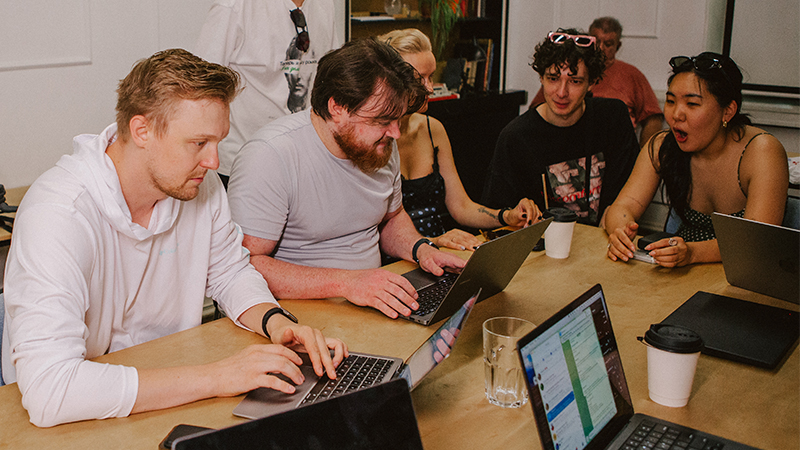
For a growing number of professionals, work is no longer tied to one desk, one office, or even one daily routine. A typical week might include focused work at home, meetings in a coworking space, an afternoon in a café, and a community event with other professionals.
This is the modern remote work lifestyle, not simply working outside a traditional office, but intentionally choosing the environments, schedules, and relationships that support your best work.
Flexibility is a major part of that lifestyle, but freedom alone is not enough. Remote workers also need structure, social connection, professional energy, and places where spending several hours feels comfortable. That is why community-focused workspaces and good coffee have become much more than workplace extras.
What Does the Remote Work Lifestyle Actually Mean?
The remote work lifestyle is often presented as a simple choice between working from home and commuting to an office. In reality, it is much more dynamic.
Remote professionals may move between several work environments depending on what they need that day. Home might be suitable for quiet administrative tasks. A coworking space may offer the right atmosphere for deep concentration, meetings, or professional interaction. A laptop-friendly café can provide a more relaxed setting for creative thinking or informal conversations.
This creates a personal work ecosystem rather than a single permanent workplace.
The central advantage is autonomy. Instead of organizing every day around a fixed location, people can organize their work around their responsibilities, energy levels, deadlines, and personal lives.
A freelance designer may prefer to complete creative work in the morning and schedule client meetings later in the day. A remote employee may use a professional workspace when important video calls require privacy and reliable internet. An entrepreneur may alternate between individual focus and environments where conversations can lead to new ideas or partnerships.
However, flexibility should not be confused with a lack of routine.
A sustainable remote work lifestyle still requires clear working hours, appropriate boundaries, dependable environments, and regular human contact. Without those elements, flexibility can quickly become distraction, isolation, or the feeling that work never completely ends.
The goal is not to avoid structure. It is to create a structure that fits the person and the work.
Flexibility Is About Control, Not Working Alone
The most valuable form of workplace flexibility is control; control over where to work, when to concentrate, when to collaborate, and when to step away.
This control allows people to match their environment to the task in front of them.
A busy café might inspire creative planning but be unsuitable for a confidential meeting. Working from home may be convenient for several hours of focused work, but difficult when household distractions begin to interrupt concentration. A flexible workspace can provide the professional infrastructure of an office without requiring someone to follow a conventional office routine.
This is why many remote workers do not choose one location permanently. Instead, they build a weekly rhythm using different spaces.
A remote professional might begin the week in a coworking space to establish momentum and meet other members. Midweek could include quieter work from home. A work café may be useful for a Friday planning session, an informal meeting, or completing lighter tasks in a more social atmosphere.
This freedom can also make work more inclusive. Parents, caregivers, international professionals, freelancers, and people managing several projects may all need different routines. Flexibility allows them to design their working days around real responsibilities instead of forcing every person into the same schedule.
Yet remote work can become unhealthy when flexibility turns into constant availability. The ability to work anywhere should not create an expectation to work everywhere.
Strong remote-work routines therefore include:
Defined starting and finishing times
Separate environments for work and rest where possible
Scheduled breaks away from screens
Dedicated locations for meetings or focused work
Regular opportunities for in-person interaction
The best remote work lifestyle combines freedom with intentional boundaries.
Why Community Matters in a Flexible Working World?
Remote work can remove many frustrations associated with traditional offices, including commuting, unnecessary interruptions, and rigid schedules. But it may also remove small interactions that make professional life feel social and connected.
Video calls can help teams coordinate, but they rarely replace the experience of being around other people throughout the day. A spontaneous conversation beside the coffee machine, a recommendation from another freelancer, or a brief exchange about a difficult project can have value that cannot always be scheduled in advance.
This is where coworking communities and third places become important.
A coworking space is not valuable only because it offers a desk. At its best, it provides an environment where people work independently without working entirely alone. Members may come from different industries, companies, and countries, but they share the experience of showing up, concentrating, taking breaks, and gradually recognizing familiar faces.
These repeated, low-pressure interactions are often more effective for building genuine relationships than attending a single formal networking event.
Community can lead to practical professional benefits, including referrals, collaborations, new clients, career advice, and exposure to different perspectives. It also provides something less measurable but equally important: the sense that a person belongs somewhere.
This is particularly relevant for freelancers, entrepreneurs, expats, repatriates, and newcomers who do not automatically have colleagues or an established local network.
The idea is closely connected to the concept of a third place, a welcoming social environment outside the home and conventional workplace where people can visit regularly and form relationships over time.
For professionals trying to build a professional community in Yerevan, regular participation matters more than attending as many events as possible. Choosing one or two spaces and returning consistently makes it easier to move from seeing strangers to recognizing familiar faces, and eventually to developing meaningful professional relationships.
Why Good Coffee Has Become Part of the Workplace Experience?
Coffee may seem less important than internet speed, comfortable seating, or meeting facilities. Yet in a well-designed workplace, it can play a meaningful social and psychological role.
A coffee break creates a natural pause between tasks. It gives people an opportunity to leave their screens, reset their attention, and move into a shared area without needing to organize a formal interaction.
This is one reason coffee is often described as the social glue of a workplace. It gives people a common activity and makes starting a conversation easier. Asking what someone is drinking feels more natural than beginning with a professional introduction.
Coffee also helps shape the emotional character of a workspace.
A purely functional office may communicate that people are expected to arrive, complete tasks, and leave. A space with thoughtful hospitality feels different. It suggests that breaks are acceptable, conversations are welcome, and the experience of being there matters alongside productivity.
The rise of the work café reflects this broader change. Modern professionals increasingly want spaces that combine the reliability of a workplace with the comfort and social atmosphere of a good café. Research and workplace design commentary describe cafés as part of a wider transition toward more flexible, informal, and collaborative environments.
A functional café in Yerevan should consider the practical needs of professionals, including reliable Wi-Fi, accessible power outlets, appropriate seating, manageable noise levels, and places where conversations do not disturb everyone else. It should feel lively without making concentration impossible.
Coffee alone does not create a community. But it can create moments in which community begins: a shared table, a short conversation, an introduction, or an idea discussed during a break.
In the remote work lifestyle, those small moments can make an independent working day feel less isolated.
How to Build Your Ideal Remote Work Lifestyle in Yerevan?
Yerevan offers remote workers a growing mix of cafés, coworking environments, professional communities, and social spaces. The challenge is not simply finding somewhere with Wi-Fi. It is finding a routine and environment that supports the way you actually work.
Start by identifying what is missing from your current workday.
Once you understand the problem, you can choose spaces more intentionally.
Rather than expecting one location to meet every need, create a balanced weekly system. You might spend two or three days at a coworking space in Yerevan, use home for specific focused tasks, and choose a café for planning, creative sessions, or informal meetings. Yerevan’s coworking options vary in atmosphere, amenities, location, and community focus, so testing different environments can help you understand what supports your work best.
When evaluating a space, look beyond the desk. Consider whether the internet is dependable, the chairs remain comfortable after several hours, the noise level matches your tasks, and appropriate areas are available for calls. Pay attention to the atmosphere as well. Do people seem comfortable speaking to one another? Are there events or shared areas? Does the space feel welcoming enough to return regularly?
Coffee and food options also matter when you plan to stay for several hours. A convenient café in the coworking space can make a workday easier.
After exploring several options, prioritize regularity over endless variety. Constantly moving between new locations may feel exciting, but familiarity is what allows a space to become part of your routine. Returning to the same place helps you work more efficiently, recognize other regulars, and participate naturally in its community.
Letters and Numbers reflects this more complete approach to remote work. It brings together the elements many professionals now seek:
Flexible place to focus
Possibility of meeting other people,
Good coffee and food
The value is not simply having somewhere to place a laptop. It is having an environment that can support both productivity and connection without recreating the rigidity of a conventional office.
The future of work is not defined by abandoning offices or working permanently from home. It is defined by having better choices.
Letters & Numbers: Your Ideal Coworking Space in Down Town Yerevan
Visit Letters and Numbers to experience a more flexible way to work in Yerevan. LAN is built around focus, community, and genuinely good coffee!